THE USE OF LAPAROSCOPY
IN VETERINARY SURGERY
May 29 – 30, 2026
The use of laparoscopy in veterinary surgery
DATE: May 29–30, 2026
LOCATION: Klinika Teodorowscy, Maryli 28, Warsaw
LECTURER: Prof. Boel Fransson
TIME: 8:00 AM – 5:30 PM
INTERPRETATION: English–Polish
THE TRAINING CONSISTS OF TWO PARTS:
» Theoretical introduction to laparoscopy, including an overview of instruments
» Practical training in laparoscopic techniques
WORKSHOP COORDINATOR: Dr. Martyna Loskot, DVM
FEES:
Early Bird: PLN 4200 net (until December 31, 2025)Regular Price: PLN 5000 net (after December 31, 2025)

TARGET AUDIENCE: Veterinarians interested in developing their knowledge and practical skills in minimally invasive surgical techniques
*Limited number of participants
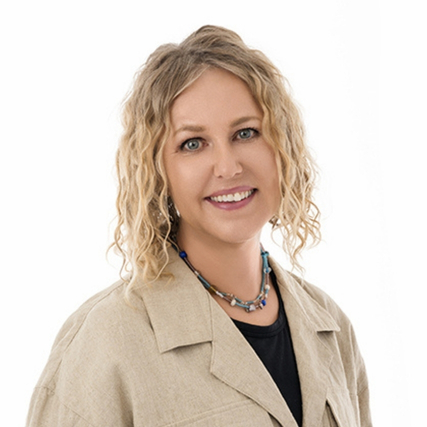
DVM, PhD, DACVS Boel Fransson
Professor Boel Fransson is Head of the Small Animal Surgery Service at Washington State University veterinary teaching hospital. She is board-certified in small animal surgery and a founding fellow of the American College of Veterinary Surgeons (ACVS) fellowship in minimally invasive surgery—thoracoscopy and laparoscopy. Her research focuses on minimally invasive surgery, with particular emphasis on simulation-based training of laparoscopic skills.
Together with Dr. Mayhew (UC Davis), she is co-editor of the leading textbook for small animal minimally invasive surgeons: Small Animal Laparoscopy and Thoracoscopy (Wiley). She also directs the Veterinary Applied Laparoscopic Training (VALT) laboratory, which focuses on research into training methods. In addition, she developed the Veterinary Assessment of Laparoscopic Skills (VALS) program for the training and assessment of veterinarians’ hands-on skills.
At the veterinary teaching hospital, she serves as the primary surgeon for minimally invasive and interventional surgical procedures.

OUTLINE PROGRAM:
Skills needed to perform laparoscopic surgery
Hands-on laparoscopic skills practice on box and VR trainers
Surgical Principles, Laparoscopic complications, and Portal placement
Laparoscopic de-sexing procedures; ovariectomy, hysterectomy, ovariohysterectomy
Other procedures: cryptorchidectomy, vasectomy
Laparoscopic entry (portal placement) and navigation of the abdomen
Laparoscopic -assisted cystolith removal
Laparoscopic diagnostic procedures liver biopsy, pancreas biopsy
Laparoscopic-assisted biopsies, splenectomy, gastropexy
Q&A session
DURING THE TRAINING YOU WILL:
learn the fundamental principles and techniques of laparoscopy
discover the essential skills required to safely and effectively perform minimally invasive surgical procedures
master the correct handling and understand the technical capabilities of modern laparoscopic instruments
learn port placement techniques and ways to avoid complications — understand how to minimize risks and ensure patient safety
gain hands-on experience in laparoscopic sterilization techniques, including ovariectomy, hysterectomy, and ovariohysterectomy
expand your surgical competencies to include other procedures such as cryptorchidectomy and vasectomy
learn to perform diagnostic and biopsy procedures, including laparoscopic liver and pancreatic biopsies
practice laparoscopic-assisted procedures, such as gastrointestinal biopsies, splenectomy, and gastropexy
participate in practical training sessions
build confidence in performing minimally invasive procedures — thanks to the comprehensive program and final Q&A session, you will be ready to implement laparoscopy in your daily practice
Registration for this event has been closed. We hope to see you at
Hosted by:
Klinika Teodorowscy Sp. z o.o.
7 Powstańców Street
43-180 Orzesze
WORKSHOP VENUE:
Klinika Teodorowscy
Maryli 28
Warszawa